
A vintage reclaimed wood console table brings instant character to any American home, combining sustainable craftsmanship with timeless appeal. These statement pieces aren’t just furniture—they’re conversation starters that connect modern living spaces with historical authenticity and artisanal quality.
Whether you’re furnishing a farmhouse-style entryway or adding warmth to a contemporary loft, understanding what makes a reclaimed wood console truly vintage will help you make an investment that lasts generations.
What Makes a Console Table ‘Vintage Reclaimed’?
The term “vintage reclaimed wood console table” describes furniture crafted from salvaged timber that’s typically 50-150 years old. Unlike new wood treated to look aged, authentic reclaimed pieces carry genuine history in every grain pattern and imperfection.
True reclaimed wood comes from demolished barns, old factories, railroad trestles, or wine barrels across rural America. This lumber has already withstood decades of environmental stress, making it remarkably stable and resistant to warping—a quality new-growth wood simply cannot match.
Key characteristics of authentic vintage reclaimed wood:
- Visible mortise holes, nail scars, and weathering marks
- Irregular grain patterns with deep character lines
- Natural color variations from oxidation and sun exposure
- Dense, tight grain structure from slow-growth timber
- Hand-hewn beam marks or saw blade patterns from period milling
At DTWood Decor, we source reclaimed timber exclusively from verified American structures, ensuring each piece tells an authentic regional story while meeting modern quality standards.
The Craftsmanship Behind Reclaimed Wood Console Tables
Creating a vintage reclaimed wood console table requires specialized expertise that goes far beyond standard furniture making. Experienced craftsmen must first assess each salvaged board for structural integrity, removing compromised sections while preserving character marks.
The process begins with careful cleaning and de-nailing—some 150-year-old beams contain dozens of square nails and metal hardware that must be meticulously extracted. Then comes kiln drying to stabilize moisture content for indoor use, followed by hand-planing to reveal the wood’s natural beauty without erasing its patina.
Traditional joinery techniques are essential for authentic vintage aesthetics. Mortise-and-tenon joints, dovetail connections, and wooden pegs create furniture that can be passed down through generations. These methods also allow the wood to expand and contract naturally with seasonal humidity changes—crucial for maintaining structural integrity in American climates from humid Southern summers to dry Northern winters.
Quality makers apply food-safe, low-VOC finishes that enhance the wood’s natural tones while providing protection. The best finishes penetrate the grain rather than sitting on top, allowing the wood to breathe and age gracefully over time.
Choosing the Right Size and Style
Console tables serve multiple functions in American homes, and selecting the right dimensions ensures both practicality and visual balance. Standard heights range from 30-36 inches, aligning with typical sofa backs or working as comfortable standing surfaces.
Common vintage reclaimed wood console dimensions:
- Narrow entryway: 48-60″ long × 12-16″ deep—ideal for tight foyers
- Behind-sofa placement: 60-72″ long × 16-18″ deep—anchors seating areas
- Statement piece: 72-96″ long × 18-24″ deep—works in large, open spaces
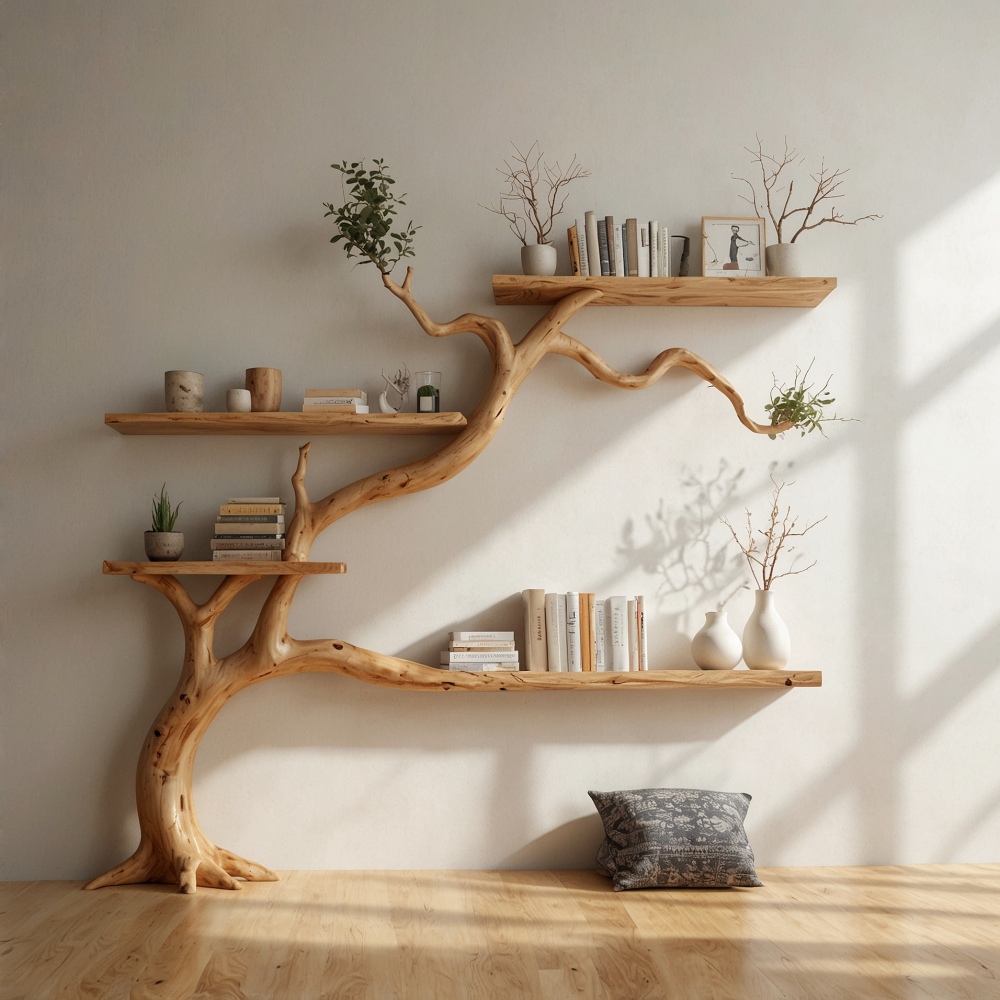
For vertical space optimization in smaller homes, consider complementary storage like a space-saving tree bookshelf that maximizes wall height while maintaining the organic aesthetic of reclaimed wood furniture.
Design Styles That Complement Reclaimed Wood
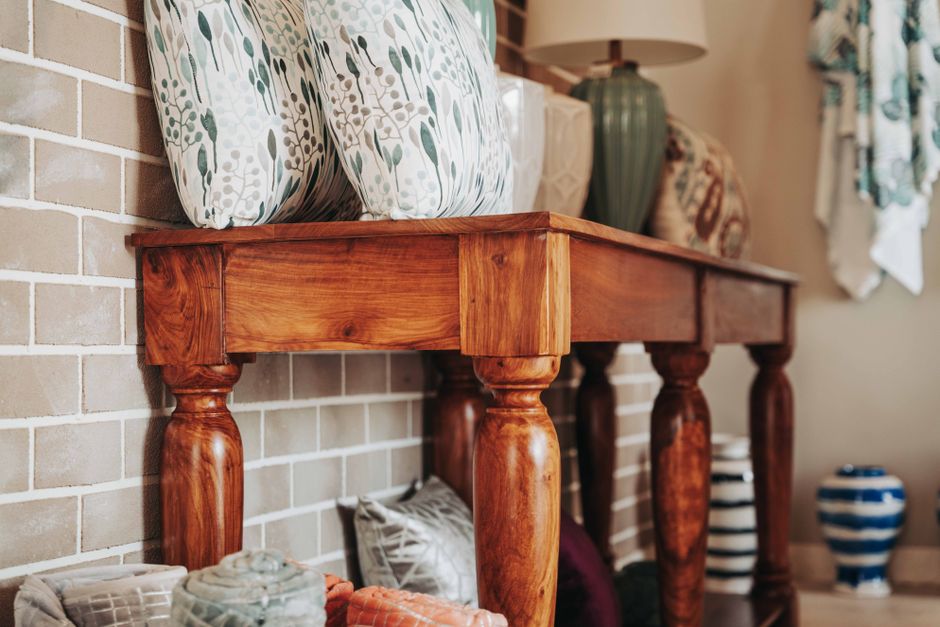
Farmhouse Traditional: Features thick-plank tops, chunky turned legs, and lower shelving. Often incorporates white-washed or honey-toned finishes that highlight the wood’s natural variation.
Industrial Modern: Pairs reclaimed wood tops with metal pipe legs or angular steel frames. The contrast between warm, weathered wood and cool metal creates striking visual tension perfect for urban lofts.
Rustic Minimalist: Clean lines with simple trestle or straight legs allow the wood’s character to take center stage. These pieces work beautifully in Scandinavian-inspired or contemporary spaces.
Vintage Apothecary: Incorporates small drawers, brass hardware, and detailed woodworking. These functional pieces suit collectors and those who appreciate intricate craftsmanship.
Evaluating Quality and Authenticity
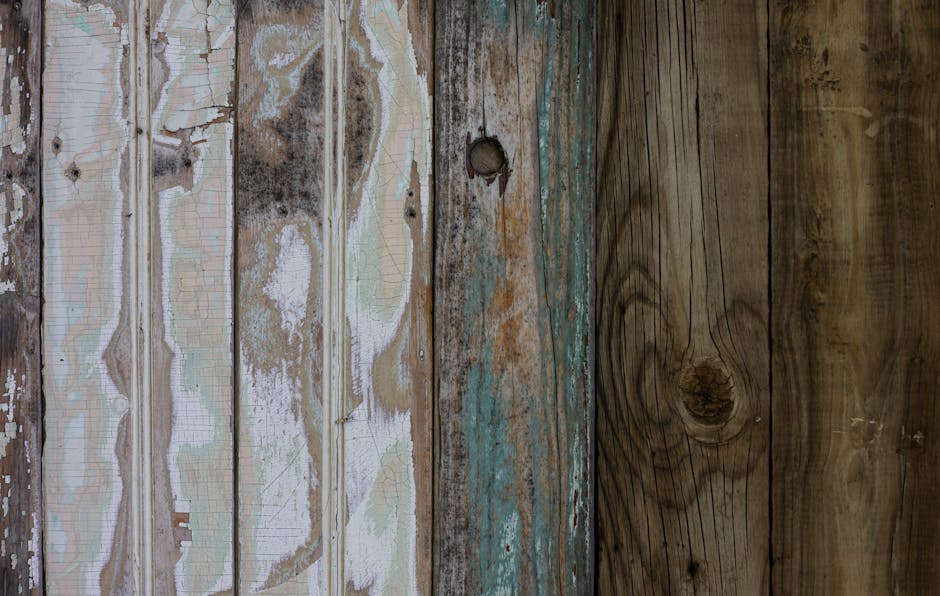
With the growing popularity of reclaimed furniture, many manufacturers artificially distress new wood to mimic vintage character. Here’s how to identify genuinely reclaimed pieces:
Inspection checklist:
- Inconsistent weathering: Authentic patina varies across boards; factory distressing looks uniform
- Original hardware marks: Look for filled nail holes, hinge mortises, or bolt patterns from previous use
- Growth ring density: Old-growth timber shows tight, closely-spaced rings compared to fast-growth lumber
- Color depth: True oxidation penetrates deep into the wood; surface stains can be scratched away
- Species consistency: Verify the wood species matches regional building practices (oak and chestnut in the East, Douglas fir in the West)
Reputable makers provide documentation about wood sourcing, including the original structure’s location and approximate age. At DTWood Decor, we track every reclaimed board’s provenance to guarantee authenticity.
Styling Your Vintage Reclaimed Wood Console
A vintage reclaimed wood console table deserves thoughtful styling that enhances rather than overwhelms its natural beauty. The key is balancing the piece’s rustic character with your home’s overall aesthetic.
Entryway placement: Create a welcoming first impression with a simple table lamp, a tray for keys and mail, and a small potted plant. Keep the surface mostly clear to showcase the wood’s grain and patina. Add a mirror above to reflect light and visually expand the space.
Behind the sofa: Use the console to add depth to your living room by displaying family photos in varied frame styles, stacking books horizontally for height variation, and incorporating a tall organic element like dried pampas grass or branches.
Dining room buffet: Style with serving pieces that complement the wood’s age—vintage copper, hammered pewter, or artisan ceramics work beautifully. Store table linens or entertaining essentials in baskets on lower shelves.
For homes featuring multiple organic wood pieces, consider pairing your console with a bookshelf that looks like a tree to create cohesive natural theming throughout your space.
Maintenance and Long-Term Care
Properly maintained vintage reclaimed wood furniture improves with age, developing richer patina and character. Following a simple care routine ensures your console table remains a family heirloom.
Daily and weekly care:
- Dust with a soft, dry microfiber cloth to prevent particle buildup
- Wipe spills immediately with a barely-damp cloth, then dry thoroughly
- Use coasters under beverages and placemats under decorative items
- Avoid placing the table near heating vents, radiators, or in direct sunlight
Seasonal maintenance:
Every 6-12 months, apply a thin coat of furniture wax or mineral oil to nourish the wood and enhance its natural luster. Work with the grain using a soft cloth, let it penetrate for 15-20 minutes, then buff to a soft sheen. This simple treatment prevents drying and cracking while deepening the wood’s color.
For pieces with oil-based finishes, you may need to reapply protective coatings every 2-3 years depending on use. Wax-finished pieces develop beautiful patina without additional treatment, though high-traffic surfaces benefit from occasional rewaxing.
Addressing common issues:
- Water rings: Rub gently with mayonnaise or non-gel toothpaste, let sit overnight, then wipe clean
- Minor scratches: Rub with a walnut meat to release natural oils that blend the scratch
- Seasonal gaps: Normal wood movement—gaps may appear in winter and close in summer humidity
Sustainability and Environmental Impact
Choosing a vintage reclaimed wood console table represents one of the most environmentally responsible furniture decisions American homeowners can make. This sustainability extends beyond simply reusing old materials.
Reclaimed wood furniture prevents usable timber from entering landfills while eliminating the need to harvest new trees. A single large console table can save 50-100 board feet of virgin lumber—roughly equivalent to one mature tree.
Additionally, old-growth reclaimed wood offers superior carbon sequestration compared to new furniture. The carbon absorbed during the original tree’s growth remains locked in the wood indefinitely, rather than being released through decomposition or burning.
Beyond environmental benefits:
- Supports local artisans and traditional woodworking skills
- Preserves American architectural heritage and regional history
- Reduces manufacturing emissions from lumber processing and kiln drying
- Creates furniture with significantly longer lifespan than mass-produced alternatives
Investment Value and Pricing
Vintage reclaimed wood console tables command premium prices reflecting their authenticity, craftsmanship, and environmental value. Understanding pricing factors helps you make informed purchasing decisions.
Price ranges for quality pieces:
- Entry-level artisan: $800-1,500—smaller pieces, simpler designs, less rare wood species
- Mid-range custom: $1,500-3,000—larger dimensions, detailed joinery, documented provenance
- Premium heirloom: $3,000-6,000+—exceptional wood, complex design, master craftsmanship
Several factors justify premium pricing: labor-intensive preparation of reclaimed materials, specialized woodworking skills, wood rarity (chestnut or heart pine command higher prices), and custom design work. A well-made vintage reclaimed wood console table actually costs less over its lifetime than replacing cheaper furniture every 5-10 years.
These pieces also retain resale value better than conventional furniture. As reclaimed wood becomes scarcer and environmental consciousness grows, demand for authentic vintage pieces continues increasing.
Making Your Purchase Decision
When you’re ready to invest in a vintage reclaimed wood console table, consider these final factors to ensure you select a piece that serves your home for generations.
Questions to ask before buying:
- Where was the wood originally sourced, and can the seller provide documentation?
- What specific wood species comprise the piece?
- How was the wood treated and finished for indoor use?
- What joinery methods were used in construction?
- Does the piece come with care instructions and warranty information?
- Can the maker provide references or examples of previous work?
Inspect the table in person whenever possible. Run your hands across the surface to feel the grain depth and finish quality. Check that the piece sits level and stable. Look underneath to examine joinery and construction quality—this is where craftsmanship truly shows.
A vintage reclaimed wood console table represents more than furniture—it’s a functional piece of American history that brings warmth, character, and sustainability to your home. By choosing quality craftsmanship and authentic materials, you’re investing in an heirloom that tells a story while serving your family’s daily needs for decades to come.