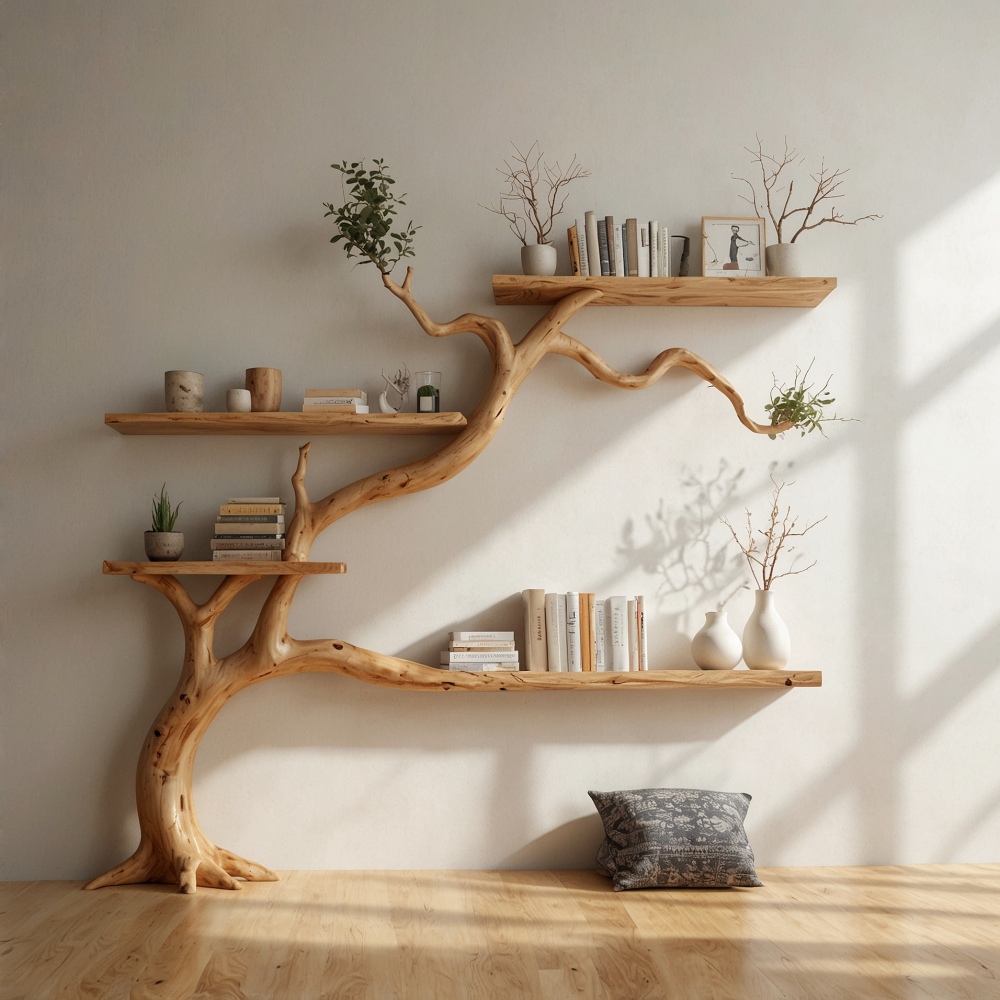

American homes are getting smarter about storage, and tree bookshelves have emerged as one of the most charming solutions for book lovers with limited square footage. These vertical wonders combine the natural beauty of wood with practical design, turning empty wall space into functional art. Whether you’re furnishing a studio apartment in Brooklyn or maximizing a child’s bedroom in suburban Austin, these 10 space-saving tree bookshelf ideas will help you create storage that’s both beautiful and efficient.
Why Tree Bookshelves Work in Small Spaces
Tree bookshelves capitalize on vertical space—often the most underutilized area in compact homes. Unlike traditional horizontal bookcases that consume precious floor area, tree designs grow upward, mimicking nature’s efficient use of space. The branching structure naturally creates multiple display levels without requiring additional width, making them ideal for narrow hallways, tight corners, or small bedrooms where every square foot counts.
The organic shape also adds visual interest that draws the eye upward, making rooms feel taller and more spacious. When crafted from quality hardwoods like oak or maple, these pieces bring warmth and character that particle board alternatives simply can’t match.
1. Corner-Mounted Tree Bookshelf
Dead corner space is a common challenge in American homes, but a corner-mounted tree bookshelf transforms this awkward area into a focal point. Design the trunk to fit snugly into the corner with branches extending outward at 45-degree angles. This configuration maximizes storage while maintaining a compact footprint—perfect for studio apartments or home offices.

Choose a wood finish that complements your existing trim. Walnut stain works beautifully in modern spaces, while natural oak suits farmhouse aesthetics. The corner placement also protects the bookshelf from high-traffic areas, reducing wear and extending its lifespan.
2. Slim Vertical Tree with Minimal Branches
For extremely tight spaces, a streamlined tree design with fewer, more purposeful branches offers maximum efficiency. Think of it as a ladder bookshelf with organic curves—the trunk measures just 8-10 inches wide, while carefully positioned branches provide 4-6 display surfaces.
This minimalist approach works exceptionally well in narrow hallways or between furniture pieces. A bookshelf that looks like a tree doesn’t need elaborate branching to make an impact; sometimes restraint creates the most elegant solution.

3. Asymmetric Tree with Built-In Storage Cubes
Combine the natural beauty of tree-inspired design with the practicality of cube storage. The trunk supports irregular branch patterns that incorporate square storage boxes—some open for display, others with doors for hiding clutter. This hybrid approach addresses a common pain point: attractive books and decor get display space, while less photogenic items stay concealed.
American families particularly appreciate this flexibility. Store children’s toys in closed cubes while displaying favorite picture books on open branches. The mixed functionality makes this design work hard in multipurpose rooms where storage needs vary.
4. Wall-Mounted Floating Tree Branches
Eliminate the floor footprint entirely with wall-mounted branch shelves that appear to grow directly from your wall. This ultra-space-saving approach uses individual branch-shaped shelves secured with heavy-duty wall anchors, creating a customizable tree pattern.

The beauty lies in adaptability—start with a few branches and add more as your collection grows. Position them to avoid electrical outlets and light switches, creating a truly custom installation. This method works brilliantly in nurseries where you need flexibility as children’s needs change, and the lack of floor obstruction makes cleaning underneath effortless.
5. Ladder-Style Tree Bookshelf
Lean a ladder-style tree bookshelf against the wall for instant storage that’s easily movable. The tapered design means the base occupies minimal floor space—typically 18-24 inches—while the top provides substantial storage capacity. Short horizontal branches serve as shelves, increasing in length as you move up the trunk.
This freestanding option appeals to renters who can’t modify walls or homeowners who like rearranging furniture seasonally. The slight backward lean keeps the center of gravity stable, even when fully loaded with hardcover books. Choose rubber feet to protect hardwood floors from scratches.
6. Child-Height Tree Bookshelf for Nurseries
Scale matters in kids’ spaces. A child-height tree bookshelf (3-4 feet tall) encourages independence by putting books within easy reach while consuming less visual and physical space than adult-sized furniture. Design wider, sturdier branches at lower levels to safely support picture books, with narrower branches above for lightweight board books.
American pediatricians recommend fostering reading habits early, and accessible book storage plays a crucial role. Round all edges and use non-toxic finishes—natural oils or water-based sealers are safest for furniture in spaces where toddlers play. If you’re looking for more inspiration, explore various space-saving tree bookshelf ideas specifically designed for children’s rooms.
7. Multi-Functional Tree with Coat Hooks
Maximize utility by adding coat hooks or pegs to lower branches, transforming your tree bookshelf into an entryway organizer. Upper branches hold books, decorative baskets, or mail, while lower branches manage coats, bags, and umbrellas. This dual-purpose design solves multiple organizational challenges in one compact footprint.
Position this piece near your front door where vertical space often goes unused. A sturdy oak or maple construction handles the weight of winter coats without sagging—a critical consideration for American homes in northern climates where heavy outerwear is standard six months yearly.
8. Narrow Tree Bookshelf for Between Windows
That 12-18 inch gap between windows is prime real estate for a narrow tree bookshelf. Custom-fit the trunk width to maximize the available space while keeping branches short enough to avoid blocking window frames. This placement captures natural light, highlighting wood grain and creating an appealing reading nook atmosphere.
Pay attention to sun exposure—direct southern light can fade book covers and dry out wood over time. If your windows face south or west, apply UV-protective finish to the wood and rotate displayed books periodically. East or north-facing windows provide gentler illumination that showcases your collection without causing damage.
9. Two-Toned Tree with Contrasting Shelves
Create visual interest while maintaining a space-saving profile by using contrasting wood tones. A darker trunk (walnut or espresso-stained oak) paired with lighter branches (natural maple or birch) adds depth without physical bulk. This color contrast makes each shelf visually distinct, actually making the piece feel more organized and less cluttered—an important psychological advantage in small spaces.
The two-tone approach also offers design flexibility. Match the darker element to existing furniture while using the lighter wood to echo trim or flooring, creating cohesion that makes rooms feel larger and more thoughtfully designed.
10. Modular Tree System with Expandable Branches
Invest in a modular system where the main trunk accepts additional branch attachments as your storage needs grow. Start with a basic configuration, then add branches when you acquire more books or want to display new collections. This approach spreads the investment over time while ensuring you never buy more bookshelf than you currently need.
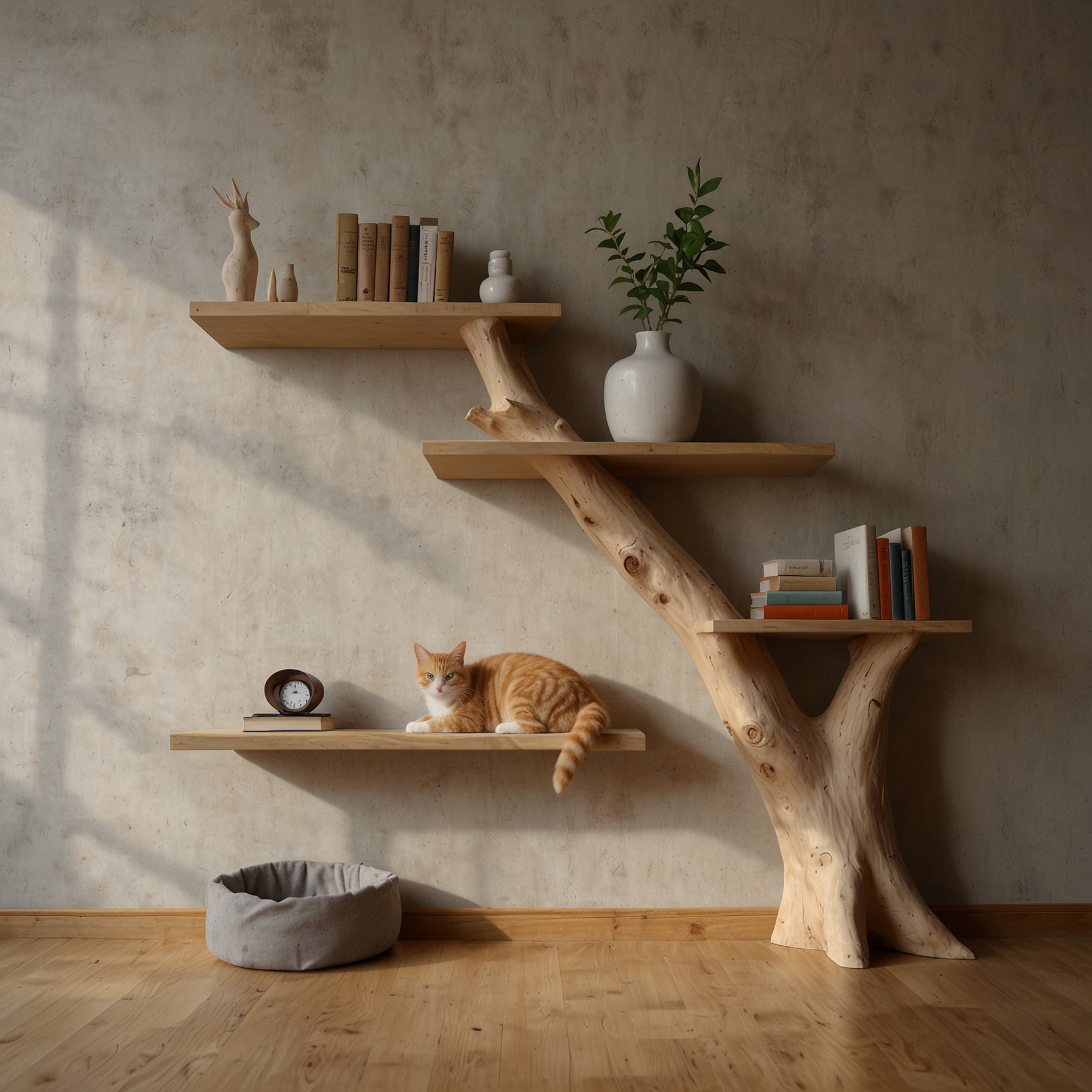
American homeowners value furniture that adapts to life changes—a modular tree bookshelf grows with expanding families or evolving hobbies. Look for designs with standardized attachment points and readily available expansion pieces, preferably from manufacturers who maintain consistent wood finishes across production runs.
Choosing the Right Wood for Your Space-Saving Tree Bookshelf
Wood selection dramatically impacts both durability and aesthetics. Oak offers exceptional strength for supporting heavy book loads while providing beautiful grain patterns. Maple delivers a tighter, more uniform appearance that suits contemporary spaces. Both hardwoods handle the stress points where branches meet the trunk—critical for pieces designed to maximize vertical storage.
Avoid engineered wood products for tree bookshelves, especially in humid climates like the Southeast where particleboard swells and weakens. Solid hardwood maintains structural integrity and can be refinished if scratched, essentially lasting a lifetime with basic care. For those committed to quality, understanding what makes a bookshelf that looks like a tree truly special starts with material selection.
Installation and Safety Tips
Even space-saving designs require proper installation for safety. Anchor wall-mounted pieces to studs using appropriate hardware—drywall anchors alone won’t safely support loaded shelves. For freestanding units, secure the top to the wall with furniture straps, particularly in earthquake-prone regions like California or homes with young children.
Distribute weight evenly across branches rather than overloading upper shelves. Place heavier books on lower branches where they contribute to stability instead of creating top-heaviness. This distribution mimics how real trees balance weight, making your bookshelf both safer and more visually harmonious.
Styling Your Tree Bookshelf for Maximum Impact
Space-saving doesn’t mean style-sacrificing. Arrange books by color for visual appeal, or organize by size with larger volumes on lower, sturdier branches. Mix in small potted plants, framed photos, or decorative objects to prevent the “library stack” look that can feel cluttered in small spaces.
Leave some branches partially empty—negative space actually makes rooms feel larger and your bookshelf more curated. Remember, in compact homes, every piece of furniture contributes to the overall sense of spaciousness or crowding. A thoughtfully styled tree bookshelf enhances your space rather than overwhelming it.
Making Your Choice
The best space-saving tree bookshelf idea balances your specific spatial constraints with personal style preferences. Measure your available space carefully, accounting for door swings and traffic patterns. Consider how you’ll use the bookshelf—pure display, active reading library, or mixed storage—and choose a design that serves those functions beautifully.
Quality craftsmanship in solid hardwood ensures your investment delivers value for decades, adapting to different homes and purposes as your life evolves. In American homes where space comes at a premium, furniture that combines beauty, function, and smart design isn’t just desirable—it’s essential.